Claude Has Made Posting Here Frictionless
Quick update rather than a full write-up: since pointing Claude Code at this blog’s repo a few weeks back, the whole loop of writing, publishing, and maintaining this site has stopped being a chore.
The biggest change isn’t any single fix — it’s that the friction just isn’t there any more. Drafting a post, sorting front matter, fixing up a GitHub Actions workflow that’s drifted out of date, branching and PR-ing a change, merging it once it’s built cleanly — all of that used to be enough faffing about that posts would sit as unfinished drafts for weeks. Now it’s a five-minute conversation and it’s live.
Generative Art with Context Free
I’ve got a small repo, ContextFree, that I keep coming back to whenever I want the specific kind of fun that comes from writing a handful of lines of code and having something unexpectedly pretty fall out the other end. It’s a collection of Context Free Art scripts — a tiny grammar for describing images as recursive drawing rules — plus a Docker image wrapping the cfdg renderer so I can run them without installing anything locally.
Two Weeks of GoatCounter Data
Back when I wired GoatCounter into this blog, the honest answer to “does any of this actually get read” was a shrug — no analytics meant no way to know. It’s been running for a couple of weeks now, so pulled the first export and had a proper look.
Rather than paste a wall of numbers, here’s the breakdown as an actual chart — daily pageviews, top pages, referrers, and where the hits are coming from:
Gemini Tests
Taking Antigravity for a spin
Been using Claude Code as my daily driver for a few days now, so when Google’s Antigravity CLI showed up I figured it was worth a proper look rather than just reading the launch blog post. Ran it side by side with Claude Code on the same kind of day-to-day work — repo exploration, small fixes, the usual — to see how the two actually compare in practice rather than on paper.
Blowing the Cobwebs Off This Blog with Claude Code
A Hugo repo hadn’t been looked at properly in a while
This blog is just Hugo content and a vendored theme — no app code, nothing exciting — which is exactly the kind of repo that quietly accumulates small rot nobody notices because nothing ever actually breaks the build. Spent a session pointing Claude Code at it to find and fix that rot.
Started with a straight status check: a couple of generated CSS cache files showing as deleted (build artifacts that shouldn’t have been tracked in the first place) and a stray uncommitted edit sitting inside the ananke theme submodule from as far back as November 2024. Both restored/reverted to get back to a clean tree before touching anything else.
Vibe Coding fractalPy with Claude
Vibe coding a Mandelbrot renderer
Spent today “vibe coding” with Claude, just describing what I wanted and letting it drive, to see how far that gets you on a small self-contained project. The result is fractalPy, a small Numba-accelerated Mandelbrot set renderer.
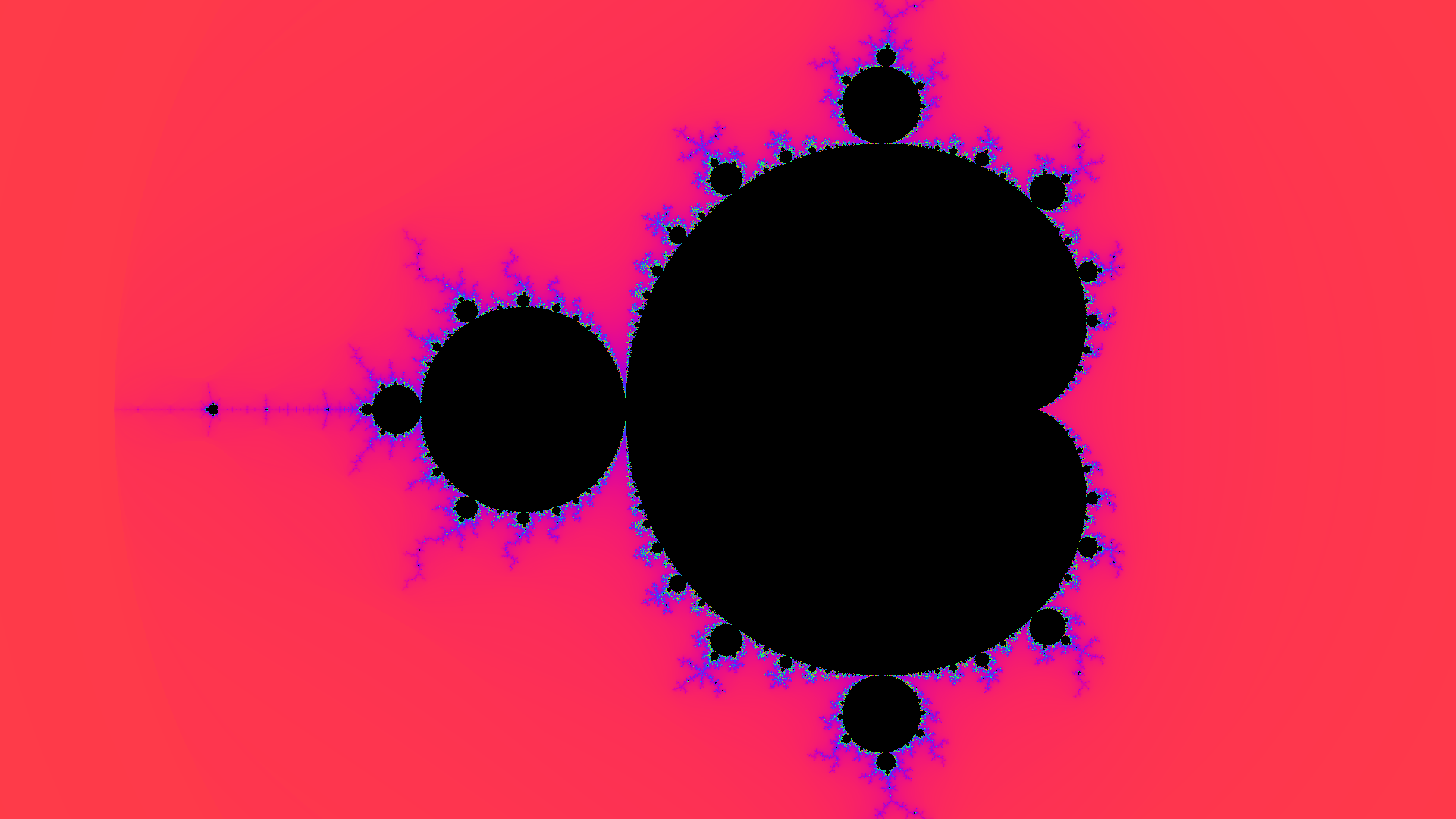
It started as a single script — render the set to a PNG, colour it, done — using @njit(parallel=True, fastmath=True, cache=True) to JIT-compile the escape-time kernel so it’s fast enough to iterate on interactively:
Cascading Updates
Having been a bit lazy in not updating my Hugo version since I started which was recently breaking one of my Github actions, I decided do do that.
This lead to an cascading update cycle.
- Updating Hugo version broke the theme I was using.
- Updating the theme broke the Tweet shortcode, no longer on Twitter so edited those post which referenced my old Twitter account.
- Updating the Hugo version, broke the Github Action which was building and uploaded to S3. This was due to newer versions of Hugo now having an “extended” and “with_deploy” versions.
- Raised a PR against the Github action to update to use the “with_deploy” version.
Still a couple of deprecated warning and fixing background and social icon links to sort out but at least now running against the latest version of Hugo.
Clipboard History
I wrote a simple Python script to monitor the clipboard and write any unique text content out to a YAML file for a history. It might turn into something better eventually.
Update
Updated to use a settings file for file location and size.
#!/usr/bin/env python3

import pyperclip
import time
import yaml
import toml
import os
from yaml.loader import SafeLoader

script_path = os.path.dirname(os.path.abspath(__file__))
settings = toml.load(os.path.join(script_path, "clippy.toml"))
history = settings["history"]
max_size = settings["size"]

cliptext = ""
clip_array = []
with open(history, "r") as f:
    clip_array = list(yaml.load_all(f, Loader=SafeLoader))
    clip_array = sum(clip_array, [])

while True:
    tmptext = pyperclip.paste()
    if tmptext != cliptext:
        cliptext = tmptext
        if cliptext not in clip_array:
            clip_array.insert(0,tmptext)
            if len(clip_array) > max_size:
                clip_array.pop()
            with open(history, "w") as f:
                f.write(yaml.dump(clip_array))
    time.sleep(1)
Script on GitHub https://github.com/alastairhm/automate_python/blob/main/clippy.py
CA Thumbprint from Python
Recently had a need to get the CA Thumbprint from the Root certificate of a domain. This was for creating OIDC provider for an AWS EKS cluster.
This is the solution I came up with.